
5 Dec 2025

The pitfalls of asking Employees about Religion or Belief - Even with good intentions

As organisations continue to strive for inclusivity, many employers want to ensure that workplace celebrations reflect the diversity of their teams. On the surface, it may seem considerate to ask employees directly about their religion or belief to guide which festivals or holidays should be recognised. However, this well-meaning approach can have significant legal and ethical pitfalls.

1. Religion and Belief Are Protected Characteristics

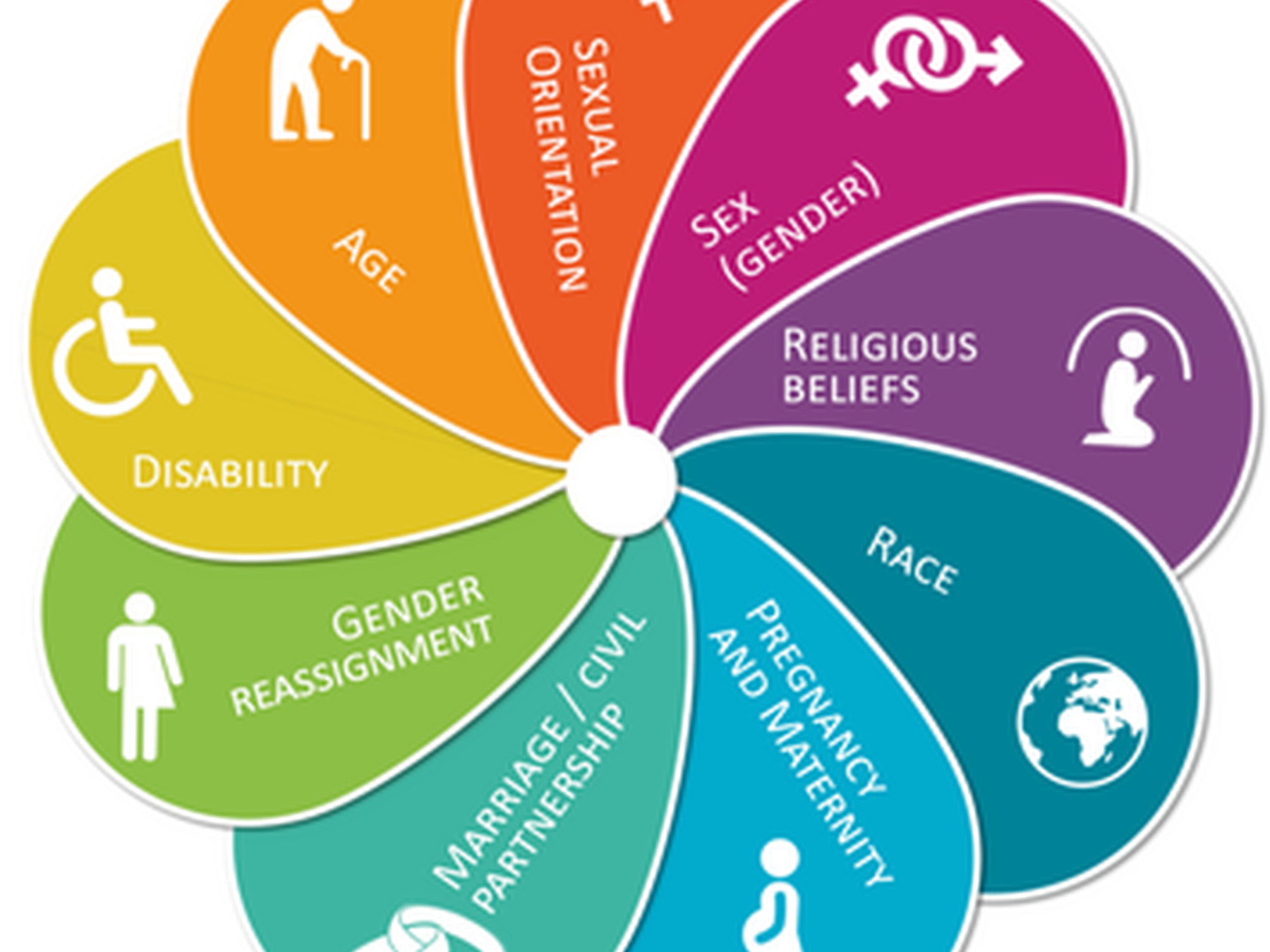
Under the Equality Act 2010, religion or belief is a protected characteristic. This means employees are safeguarded from discrimination, harassment, or victimisation on these grounds. By directly asking individuals to declare their religion, even for a positive purpose, employers risk crossing a boundary - especially if employees feel pressured to disclose personal information they would rather keep private.

Some may feel uncomfortable sharing such details, while others could worry that their answers might (even subconsciously) influence how they are treated at work. This can lead to distrust and potential complaints if not handled sensitively.

2. Perception of Bias or Tokenism

Even when done with good intentions, collecting data about religion can lead to accusations of tokenism or selective inclusion. For example, if an employer celebrates only certain religious festivals based on the responses received, other employees may feel excluded or marginalised. Similarly, where only one or two employees identify with a particular belief, celebrating that faith’s holidays could inadvertently single them out or make them feel like “spokespeople” for their religion.

3. Data Protection and Privacy Concerns

Religion or belief is considered special category data under the UK GDPR. This means that employers must have a lawful basis and meet additional conditions for processing this information. Collecting such data “informally” (for example, through a casual question or staff survey without a clear legal basis and safeguards) can therefore amount to a data protection breach.

Even if collected legitimately, employers must ensure that:

  • The purpose is clearly explained.
  • Participation is voluntary.
  • Responses are stored securely and used only for the stated purpose.
  • Data is anonymised wherever possible.

4. Better Alternatives for Inclusive Celebration

Inclusivity does not require collecting personal religious data. Instead, employers can foster a culture of respect and belonging by:

  • Creating a diverse calendar of awareness days that reflects a range of cultural, faith, and secular events without targeting specific employees for input.
  • Inviting voluntary suggestions from staff through anonymous forms or open forums where individuals can share what matters to them if they wish.
  • Focusing on shared values, such as respect, community, and appreciation, rather than on specific religious observances.
  • Providing floating personal days, allowing employees to take time off for religious or cultural observances important to them.

5. Balancing Inclusion with Privacy

The goal should always be to create a workplace where everyone feels seen and valued, but not scrutinised or categorised. Asking directly about religion or belief, even for positive purposes, risks undermining that balance.

A more inclusive and legally sound approach is to build an environment where employees can voluntarily share aspects of their identity if they choose, while the organisation celebrates diversity in a broad, respectful, and consistent way.

In summary:

While it might seem like a simple way to tailor celebrations, asking employees about their religion or belief can expose organisations to legal, ethical, and cultural pitfalls. The most genuinely inclusive workplaces recognise diversity without intruding on personal identity - ensuring everyone can celebrate, or not, in a way that feels right for them.